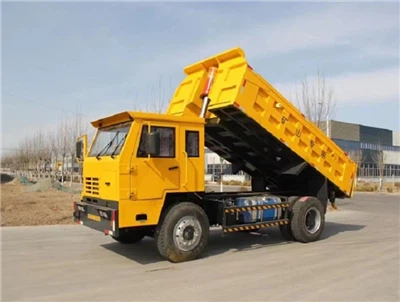
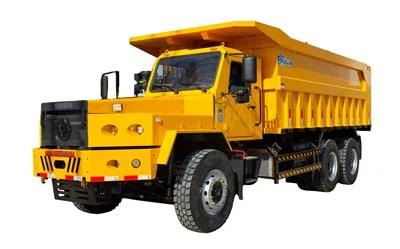
Hey there! As a supplier of Mining Loaders, I've been getting a lot of questions lately about how to make a Mining Loader engine meet emission standards. It's a hot topic in the industry, and for good reason. With stricter environmental regulations around the world, it's crucial for us to ensure our equipment is as eco - friendly as possible. In this blog, I'll share some tips and strategies that we've found effective in making our Mining Loader engines compliant with emission standards.
First off, let's understand why emission standards matter. Emissions from Mining Loader engines can have a significant impact on the environment and human health. Pollutants like nitrogen oxides (NOx), particulate matter (PM), and carbon monoxide (CO) can cause air pollution, contribute to climate change, and even lead to respiratory problems for workers in mining areas. That's why governments and regulatory bodies have set up strict emission standards to control these harmful emissions.
1. Engine Selection and Design
One of the first steps in meeting emission standards is choosing the right engine. When we're designing our Mining Loaders, we look for engines that are specifically built with low - emission technology. Modern engines often come with advanced features like direct injection, turbocharging, and exhaust gas recirculation (EGR) systems.
Direct injection allows for more precise fuel delivery, which means better combustion and fewer emissions. Turbocharging helps the engine burn fuel more efficiently by forcing more air into the combustion chamber. And EGR systems reduce NOx emissions by recirculating a portion of the exhaust gas back into the engine cylinders, lowering the combustion temperature.
For example, we've partnered with some leading engine manufacturers who are constantly innovating to develop engines that meet the latest emission standards. These engines are not only cleaner but also more fuel - efficient, which can save our customers a lot of money in the long run.
2. After - Treatment Systems
Even with the most advanced engines, it's often necessary to use after - treatment systems to further reduce emissions. One of the most common after - treatment devices is the diesel particulate filter (DPF). A DPF traps and removes particulate matter from the exhaust gas, preventing it from being released into the atmosphere.


Another important after - treatment system is the selective catalytic reduction (SCR) system. SCR systems use a special catalyst and a urea - based solution called Diesel Exhaust Fluid (DEF) to convert NOx emissions into nitrogen and water vapor. By using these after - treatment systems, we can significantly reduce the amount of harmful pollutants emitted by our Mining Loader engines.
We make sure to install high - quality after - treatment systems on all our Mining Loaders. We also provide our customers with detailed instructions on how to maintain these systems properly. Regular maintenance, such as cleaning or replacing the DPF and refilling the DEF tank, is essential to ensure the after - treatment systems work effectively.
3. Fuel Quality
The quality of the fuel used in Mining Loader engines also plays a crucial role in emissions. Low - sulfur diesel fuel is recommended as it produces fewer sulfur - related emissions. Sulfur can damage the after - treatment systems and increase the amount of particulate matter in the exhaust.
We always advise our customers to use high - quality fuel from reliable sources. We also work with fuel suppliers to ensure that the fuel meets the necessary specifications for our engines. By using the right fuel, we can not only reduce emissions but also improve the overall performance and longevity of the engines.
4. Regular Maintenance
Regular maintenance is key to keeping Mining Loader engines running cleanly and efficiently. We recommend a comprehensive maintenance schedule that includes tasks like oil changes, air filter replacements, and spark plug inspections (for gasoline engines).
A dirty air filter can restrict airflow to the engine, leading to incomplete combustion and increased emissions. Similarly, old or worn - out spark plugs can cause misfires, which also result in higher emissions. By keeping the engine well - maintained, we can ensure that it operates at its optimal level and meets the emission standards.
We offer maintenance training programs for our customers' technicians. These programs cover everything from basic engine maintenance to advanced troubleshooting of after - treatment systems. We also provide on - site maintenance services to make it easier for our customers to keep their Mining Loaders in top condition.
5. Operator Training
The way operators use Mining Loaders can also affect emissions. We provide operator training programs to teach our customers' employees how to operate the equipment in an environmentally friendly way. For example, operators should avoid unnecessary idling, as idling consumes fuel and produces emissions without any productive work.
Proper acceleration and deceleration techniques can also help reduce emissions. Operators should be trained to use the throttle smoothly and avoid sudden stops and starts. By following these best practices, operators can help minimize the environmental impact of our Mining Loaders.
Related Products
If you're interested in other mining - related transport vehicles, we've got some great options for you. Check out our Mining Transport Vehicle, which is designed to handle heavy loads in mining environments. We also have the Underground Troop Carrier for transporting personnel safely underground. And for those looking for an electric option, our 3 Wheel Electric Dump Truck is a great choice, offering zero - emissions operation.
Conclusion
Making a Mining Loader engine meet emission standards is a multi - faceted challenge, but it's definitely achievable. By focusing on engine selection and design, using after - treatment systems, ensuring high - quality fuel, performing regular maintenance, and providing operator training, we can significantly reduce the environmental impact of our Mining Loaders.
If you're in the market for a Mining Loader or have any questions about emission standards, don't hesitate to reach out. We're here to help you find the right solution for your mining needs. Whether you're a small - scale mining operation or a large - scale enterprise, we can provide you with the equipment and support you need to meet the latest environmental regulations.
References
- "Diesel Engine Emissions Control: Principles and Practice" by David Crolla
- "Handbook of Engine Emissions Reduction" edited by Colin R. Harris