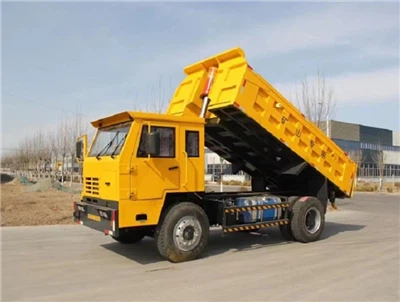
In the realm of heavy machinery, mining loaders and excavators are two prominent players, each with its unique set of capabilities and applications. As a supplier of mining loaders, I've had the privilege of witnessing firsthand the distinct roles these machines play in various industries, especially in mining operations. In this blog post, I'll delve into the differences between a mining loader and an excavator, highlighting their features, functions, and ideal use cases.
Design and Structure
The design of a mining loader and an excavator is tailored to their specific tasks. A mining loader, also known as a wheel loader in some contexts, is built with a robust frame and large, heavy - duty wheels. This design provides excellent mobility and allows it to move quickly across rough terrains commonly found in mining sites. The front of a mining loader is equipped with a large bucket that can be raised, lowered, and tilted. The bucket is directly attached to the loader's arms, enabling it to scoop up large volumes of materials such as ore, gravel, or soil efficiently.
On the other hand, an excavator typically has a tracked undercarriage, which offers superior stability, especially when working on uneven or soft ground. The main body of the excavator is mounted on a rotating platform, allowing it to pivot a full 360 degrees. Instead of a simple bucket - arm arrangement like the mining loader, an excavator has a more complex arm system. It consists of a boom, stick, and bucket, which can be manipulated independently to reach different depths and angles. This design gives the excavator a high degree of flexibility in digging and lifting operations.
Functionality
The primary function of a mining loader is material handling. It is designed to load large quantities of materials onto trucks or conveyors. The large bucket capacity of a mining loader allows it to scoop up a significant amount of material in a single pass. For example, in an open - pit mine, a mining loader can quickly load ore into Swift Transportation Mining Trucks for transportation to the processing plant. The speed and efficiency of a mining loader in loading operations make it an essential asset in any mining site where rapid material movement is required.
An excavator, however, is mainly used for digging and excavation work. It can dig trenches, foundations, and holes with great precision. The long reach of the excavator's boom and stick enables it to access areas that are difficult to reach for other machines. In addition to digging, excavators can also be used for tasks such as lifting heavy objects, demolishing structures, and grading land. For instance, in a construction project, an excavator can be used to dig the foundation for a building, while in a mining operation, it can be used to remove overburden or extract minerals from deep underground.
Power and Performance
Mining loaders are generally powered by diesel engines, which provide the high torque required to move heavy loads. The power of a mining loader is measured in horsepower (HP), and larger models can have engines with several hundred HP. The high - power engine allows the mining loader to accelerate quickly and move large amounts of material in a short period. The performance of a mining loader is also characterized by its bucket capacity, lifting capacity, and travel speed. A larger bucket capacity means more material can be loaded in each cycle, while a higher lifting capacity allows it to handle heavier loads.
Excavators also use diesel engines, but their power requirements are more focused on providing precise control rather than raw speed. The hydraulic system in an excavator is a critical component that determines its performance. The hydraulic system powers the movement of the boom, stick, and bucket, allowing for smooth and accurate operation. The performance of an excavator is evaluated based on its digging force, reach, and lifting capacity at different radii. A high - digging force is essential for breaking through hard soil or rock, while a long reach is necessary for accessing deep or distant areas.
Operating Conditions
Mining loaders are well - suited for open - pit mining and large - scale construction sites where there is ample space for them to maneuver. Their wheeled design allows them to travel relatively quickly between different loading points, making them ideal for operations that require continuous material movement. They can operate on various types of surfaces, including dirt, gravel, and paved roads. However, their performance may be affected on very soft or muddy ground, as the wheels can get stuck.
Excavators, with their tracked undercarriage, are more versatile in terms of operating conditions. They can work on rough, uneven, or soft ground with ease. The tracks distribute the weight of the machine evenly, reducing the risk of sinking. This makes excavators suitable for a wide range of applications, from mining in mountainous regions to construction in marshy areas. Additionally, the 360 - degree rotation of the excavator's cab gives the operator a better view of the work area, enhancing safety and efficiency.
Cost and Maintenance
When it comes to cost, mining loaders are generally more expensive upfront compared to some smaller excavators. This is due to their larger size, more powerful engines, and high - capacity buckets. However, the cost - effectiveness of a mining loader lies in its ability to move large volumes of material quickly. In the long run, the high productivity of a mining loader can result in significant cost savings for mining and construction companies.

The maintenance requirements of a mining loader mainly focus on the engine, transmission, and hydraulic system. Regular oil changes, filter replacements, and inspections are necessary to ensure the smooth operation of the machine. The tires of a mining loader also need to be checked regularly for wear and tear, as they are subjected to heavy loads and rough terrains.

Excavators also require regular maintenance, especially of their hydraulic systems. The hydraulic hoses, pumps, and cylinders need to be inspected for leaks and damage. The tracks of an excavator also need to be maintained, including proper tensioning and replacement when worn out. Although the initial cost of an excavator may be lower in some cases, the long - term maintenance costs can be significant, especially for larger and more complex models.
Applications in the Mining Industry
In the mining industry, both mining loaders and excavators play crucial roles. Mining loaders are often used in the loading phase of the mining process. They work in tandem with trucks to transport ore from the mining face to the processing plant. For example, in a coal mine, a mining loader can quickly load coal onto Three Wheel Mining Truck or other larger haul trucks. The speed and efficiency of the mining loader ensure that the coal is transported in a timely manner, reducing downtime and increasing overall productivity.
Excavators, on the other hand, are used for various tasks in the mining process. They can be used to remove overburden, which is the layer of soil and rock covering the ore deposit. By using the precise digging capabilities of an excavator, miners can expose the ore more efficiently. Excavators are also used for underground mining, where their ability to work in confined spaces and access hard - to - reach areas is invaluable.
Applications in the Construction Industry
In the construction industry, mining loaders are commonly used for site preparation. They can clear large areas of debris, load soil and gravel for backfilling, and move construction materials around the site. For example, in a building construction project, a mining loader can be used to load 3 Cubic Meter Concrete Mixer Truck with sand and gravel, ensuring a continuous supply of materials for concrete production.
Excavators are the go - to machines for excavation work in construction. They are used to dig foundations for buildings, roads, and bridges. The precise control of an excavator allows for accurate grading of the land, which is essential for the stability of the structure. Excavators can also be equipped with different attachments, such as breakers and grapples, to perform tasks like demolition and material handling during the construction process.
Conclusion
In summary, while both mining loaders and excavators are essential heavy - duty machines in the mining and construction industries, they have distinct differences in design, functionality, power, operating conditions, cost, and maintenance. A mining loader excels in rapid material handling and is best suited for open - space operations, while an excavator offers superior digging and precision work capabilities, especially in challenging terrains.

As a supplier of mining loaders, I understand the unique needs of our customers. Whether you are involved in large - scale mining operations or construction projects, choosing the right machine is crucial for maximizing productivity and minimizing costs. If you are interested in learning more about our mining loaders or have any questions regarding their applications, I encourage you to reach out to us for a detailed discussion. We are committed to providing high - quality mining loaders that meet your specific requirements and offer excellent after - sales support. Contact us today to start the procurement process and take your operations to the next level.
References
- "Heavy Equipment Handbook" by Equipment World Magazine
- "Mining Machinery: Design, Operation, and Maintenance" by John Smith
- "Construction Equipment: Principles and Practices" by ABC Publishing