

Hey there! I'm a supplier of wide body cars, and I often get asked about the fuel types commonly used in these beasts. So, I thought I'd sit down and write a blog post to share what I know.
First off, let's talk about what wide body cars are. These are typically large, heavy-duty vehicles designed for specific purposes, like mining, construction, or long-haul transportation. They're built to handle tough conditions and carry heavy loads, so the fuel type they use is crucial for their performance and efficiency.
One of the most common fuel types used in wide body cars is diesel. Diesel engines have been around for a long time and are known for their durability and power. They're also more fuel-efficient than gasoline engines, which means they can go longer distances on a single tank of fuel. This is a big advantage for wide body cars, which often need to travel long distances or work for extended periods without refueling.

Diesel engines work by compressing air in the cylinders until it gets hot enough to ignite the fuel. This process is called compression ignition, and it's what gives diesel engines their characteristic power and torque. Diesel fuel is also denser than gasoline, which means it contains more energy per gallon. This translates into better fuel economy and more power for the engine.
Another advantage of diesel engines is their reliability. They're built to last and can withstand the rigors of heavy use. Diesel engines also require less maintenance than gasoline engines, which can save you time and money in the long run.
However, diesel engines do have some drawbacks. One of the biggest is their emissions. Diesel engines produce more particulate matter and nitrogen oxides than gasoline engines, which can contribute to air pollution and health problems. To address this issue, many modern diesel engines are equipped with advanced emission control systems, such as diesel particulate filters and selective catalytic reduction systems. These systems help to reduce emissions and make diesel engines more environmentally friendly.
Another fuel type that's becoming increasingly popular in wide body cars is natural gas. Natural gas is a cleaner-burning fuel than diesel or gasoline, which means it produces fewer emissions. It's also less expensive than diesel, which can save you money on fuel costs.
Natural gas engines work by mixing natural gas with air and then igniting the mixture in the cylinders. This process is similar to how gasoline engines work, but natural gas engines are typically more efficient and produce less emissions.
One of the biggest advantages of natural gas engines is their environmental friendliness. Natural gas produces fewer greenhouse gas emissions than diesel or gasoline, which can help to reduce your carbon footprint. It also produces less particulate matter and nitrogen oxides, which can improve air quality.
However, natural gas engines do have some limitations. One of the biggest is their range. Natural gas vehicles typically have a shorter range than diesel or gasoline vehicles, which means they need to be refueled more often. This can be a problem for wide body cars that need to travel long distances or work in remote areas.

Another limitation of natural gas engines is their infrastructure. There are fewer natural gas refueling stations than diesel or gasoline stations, which can make it difficult to find a place to refuel. This is especially true in rural areas or developing countries.
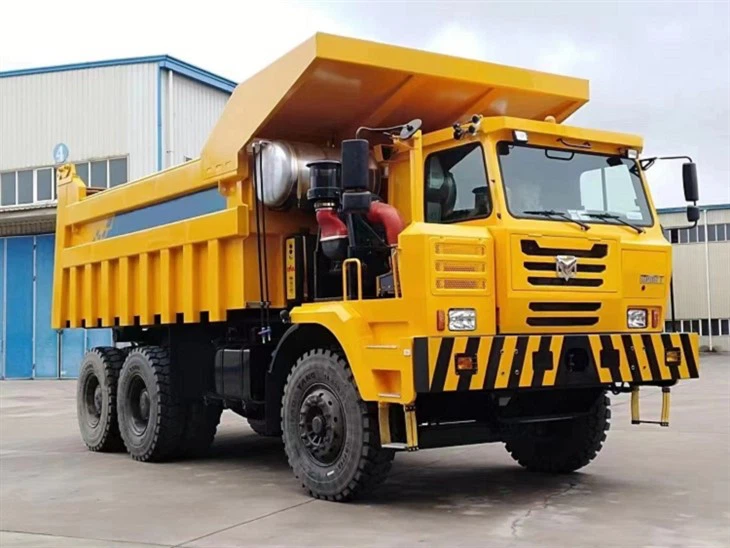
In addition to diesel and natural gas, there are also some other fuel types that are used in wide body cars, such as gasoline, propane, and electricity. Gasoline engines are less common in wide body cars because they're not as powerful or fuel-efficient as diesel engines. Propane engines are similar to gasoline engines, but they're more efficient and produce fewer emissions. Electric vehicles are becoming increasingly popular in the automotive industry, but they're still not widely used in wide body cars because of their limited range and high cost.
So, which fuel type is the best for wide body cars? Well, it depends on your specific needs and requirements. If you need a vehicle that's powerful, reliable, and can travel long distances, then a diesel engine might be the best choice. If you're looking for a more environmentally friendly option and don't mind refueling more often, then a natural gas engine might be a good choice. If you're interested in reducing your carbon footprint and don't need to travel long distances, then an electric vehicle might be the way to go.
As a wide body car supplier, I can help you choose the right fuel type for your needs. I have a wide range of vehicles available, including Mine Service Truck, Swift Transportation Mining Trucks, and Wide Body Mining Truck. I can also provide you with information and support on fuel types, maintenance, and other aspects of owning and operating a wide body car.
If you're interested in learning more about wide body cars or purchasing a vehicle, please don't hesitate to contact me. I'd be happy to answer any questions you have and help you find the right vehicle for your needs. Let's start a conversation and see how we can work together to meet your transportation requirements.
References

- "Diesel Engines: How They Work and Why They're Important." Energy.gov.
- "Natural Gas Vehicles: Benefits and Challenges." Alternative Fuels Data Center.
- "Electric Vehicles: The Future of Transportation?" National Geographic.


