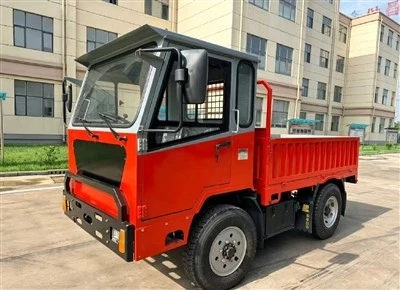
What is the Gear - shifting Mechanism of Large Mining Vehicles?
As a prominent supplier of large mining vehicles, I've witnessed firsthand the critical role that the gear - shifting mechanism plays in the operation of these colossal machines. In the harsh and demanding environment of mining sites, where efficiency, durability, and safety are of utmost importance, a well - designed gear - shifting system can make all the difference.
The Basics of Gear - shifting in Large Mining Vehicles
Large mining vehicles are typically used for transporting heavy loads over rough terrains. These vehicles require a gear - shifting mechanism that can handle high torque and provide a wide range of gear ratios to adapt to different operating conditions.
The gear - shifting mechanism in large mining vehicles can be classified into two main types: manual and automatic.
Manual gear - shifting systems have been used in mining vehicles for a long time. In a manual system, the driver uses a gear lever to select the appropriate gear. This type of system gives the driver full control over the vehicle's speed and power. However, it also requires a high level of skill and experience, especially when operating on steep slopes or in challenging terrains. For example, when a 25 Tons Mining Transport Truck is climbing a steep incline, the driver needs to carefully select the right gear to ensure sufficient power without overloading the engine.
On the other hand, automatic gear - shifting systems have gained popularity in recent years. In an automatic system, the vehicle's computer controls the gear changes based on factors such as vehicle speed, engine load, and throttle position. This type of system is more user - friendly, especially for less experienced drivers. It also allows for smoother gear changes, which can reduce wear and tear on the transmission and improve fuel efficiency. Many modern Mining Transport Vehicles are equipped with advanced automatic gear - shifting technologies.
Components of the Gear - shifting Mechanism
The gear - shifting mechanism consists of several key components, each playing a vital role in the overall operation of the system.
The transmission is the heart of the gear - shifting mechanism. It contains a set of gears that can be engaged or disengaged to change the gear ratio. In large mining vehicles, the transmission is designed to handle high torque and heavy loads. There are different types of transmissions, such as planetary gear transmissions and powershift transmissions. Planetary gear transmissions are known for their compact size and high efficiency, while powershift transmissions allow for quick and smooth gear changes under load.
The clutch is another important component. In a manual gear - shifting system, the clutch is used to disengage the engine from the transmission when changing gears. This allows the driver to shift gears smoothly without causing damage to the transmission. In an automatic system, the clutch is often replaced by a torque converter, which uses fluid to transfer power from the engine to the transmission.
The gear selector is the interface between the driver and the gear - shifting mechanism. In a manual system, it is the gear lever that the driver uses to select the desired gear. In an automatic system, the gear selector can be a traditional PRNDL (Park, Reverse, Neutral, Drive, Low) selector or a more advanced electronic selector.
Advanced Gear - shifting Technologies
In addition to the basic manual and automatic gear - shifting systems, there are several advanced technologies that are being used in large mining vehicles.
One such technology is the electronic control unit (ECU). The ECU is a computer that monitors and controls various aspects of the vehicle's operation, including the gear - shifting mechanism. It can adjust the gear changes based on real - time data such as vehicle speed, engine load, and road conditions. For example, if the vehicle is approaching a downhill slope, the ECU can automatically downshift to provide engine braking and improve safety.
Another advanced technology is the use of dual - clutch transmissions (DCTs). DCTs combine the advantages of manual and automatic transmissions. They have two clutches, which allow for even faster and smoother gear changes. DCTs are becoming more common in high - performance large mining vehicles, as they can improve acceleration and fuel efficiency.
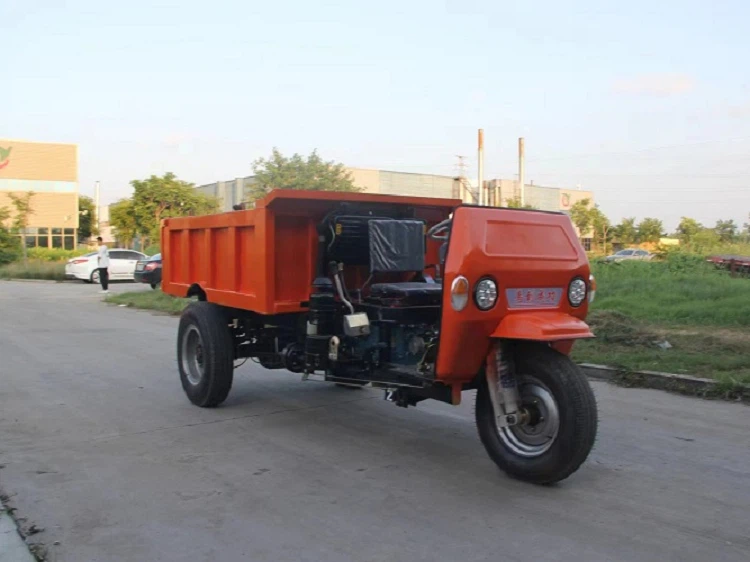
Hybrid and electric drive systems are also changing the landscape of gear - shifting in large mining vehicles. In hybrid vehicles, the gear - shifting mechanism needs to work in conjunction with the electric motor and the internal combustion engine. Electric vehicles, on the other hand, often have simpler gear - shifting requirements, as electric motors can provide a wide range of torque without the need for multiple gears. For instance, a 3 Wheel Electric Dump Truck may have a more straightforward gear - shifting setup due to its electric drive system.

Importance of a Reliable Gear - shifting Mechanism
A reliable gear - shifting mechanism is crucial for the performance and safety of large mining vehicles.
In terms of performance, a well - functioning gear - shifting system allows the vehicle to operate at its optimal efficiency. It ensures that the engine is always working within its power band, which can improve fuel economy and reduce emissions. For example, if the gear - shifting mechanism is not working properly, the vehicle may experience jerky gear changes or may not be able to reach its maximum speed, resulting in lower productivity.
Safety is also a major concern. A reliable gear - shifting mechanism is essential for maintaining control of the vehicle, especially when operating on steep slopes or in hazardous conditions. If the gear - shifting system fails, it can lead to loss of power, difficulty in braking, and even accidents. For instance, if the vehicle cannot downshift properly when going downhill, it may gain excessive speed and become difficult to stop.
Future Trends in Gear - shifting Mechanisms
The future of gear - shifting mechanisms in large mining vehicles is likely to be shaped by several trends.
One trend is the increasing use of automation and artificial intelligence. As mining operations become more automated, the gear - shifting mechanism will need to be able to integrate with other automated systems. For example, autonomous mining vehicles may require a gear - shifting system that can be controlled remotely or that can make intelligent decisions based on real - time data from sensors.
Another trend is the development of more efficient and environmentally friendly gear - shifting technologies. With the growing concern for the environment, there is a push towards reducing emissions and improving fuel efficiency. This may lead to the development of new types of transmissions and gear - shifting systems that are more energy - efficient.
If you are in the market for large mining vehicles and are interested in learning more about the gear - shifting mechanisms and how they can benefit your operations, we encourage you to reach out to us. Our team of experts can provide you with detailed information and help you select the right vehicle for your specific needs. Contact us today to start the procurement and negotiation process.
References
- Heisler, H. (1997). Advanced Vehicle Technology. Society of Automotive Engineers.
- Crolla, D. A. (2001). Vehicle Dynamics: Theory and Application. CRC Press.
- Gillespie, T. D. (1992). Fundamentals of Vehicle Dynamics. Society of Automotive Engineers.